
Food is one of the great pleasures of traveling through Spain. Unfortunately, when you have a dietary restriction, you always have to be careful that you know exactly what is in the food you are eating.
The good news is that Spain is becoming increasingly accommodating to different dietary needs.
At Guided Spain Tours, we can help research appropriate restaurants, communicate dietary requirements to hotels and suppliers, adapt food experiences, and build practical alternatives into the itinerary. We cannot remove every medical risk, but we can make traveling with a restricted diet considerably easier and less stressful.
In this guide, we’ll explain how to travel confidently around Spain with dietary restrictions. We’ll cover everything from communicating allergies in Spanish and avoiding cross-contamination to finding suitable restaurants, navigating vegetarian, vegan, halal, kosher, and gluten-free dining, and how Guided Spain Tours can help make your trip easier from the very beginning.
Tell Us Everything
The best time to mention a serious allergy is while we are designing the trip, not when the first plate of croquettes reaches the table.
Travelers should tell their Guided Spain Tours travel designer:
- Which foods or ingredients must be avoided
- Whether the restriction is a preference, intolerance, medical necessity or religious requirement
- Whether traces and cross-contamination are dangerous
- Whether shared fryers, grills, utensils and surfaces are acceptable
- How severe the reaction could be
- Whether the traveler carries emergency medication
- Whether suitable substitutions are acceptable
This allows our booking team to contact restaurants, hotels, guides, cooking schools and food-tour operators before confirming them.
“Vegetarian” is helpful information. “Vegetarian, but I eat eggs and dairy, do not eat fish, and cannot have mushrooms” is much more useful.
Use an Allergy Translation Card
For a serious allergy or celiac disease, we recommend carrying a professionally translated Spanish allergy card.
It should explain:
- The exact ingredients that must be avoided
- Whether traces are dangerous
- Whether cross-contamination must be prevented
- Whether shared cooking oil, utensils, or surfaces are unsafe
- What to do if the traveler has a reaction
Show the card before ordering. Do not wait until the food arrives and then begin negotiations with a waiter holding a sizzling plate.
Useful phrases include:
- Tengo una alergia alimentaria grave: I have a serious food allergy.
- No es una preferencia; es una necesidad médica: It is not a preference; it is a medical requirement.
- ¿Puede hablar con el cocinero, por favor?: Could you speak with the chef, please?
- ¿Hay riesgo de contaminación cruzada?: Is there a risk of cross-contamination?
- ¿Se cocina en el mismo aceite?: Is it cooked in the same oil?
- ¿Puede prepararlo por separado?: Can it be prepared separately?
- Aunque sea una cantidad muy pequeña, puede ser peligroso: Even a very small amount can be dangerous.
Our team can communicate the same information to the restaurant in advance, but travelers should still carry their card and reconfirm the restriction when they arrive.
Let Us Reserve the Right Restaurants
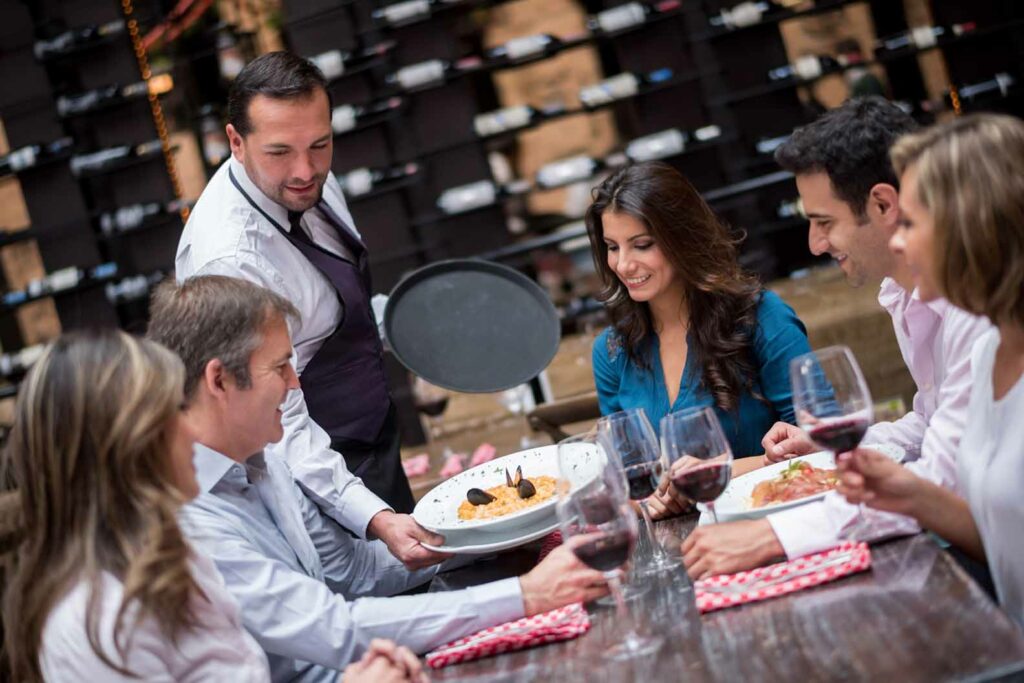
A restaurant that is wonderful for one traveler may be completely unsuitable for another.
Guided Spain Tours can help identify restaurants with appropriate menus, contact them directly, and note the dietary restriction on the reservation. We can also ask the important follow-up questions:
- Is there a separate preparation area?
- Are the fryers shared?
- Can the chef prepare something separately?
- Is the meat certified halal?
- Is the restaurant certified kosher?
- Are the sauces made with meat, seafood, flour, nuts, or alcohol?
- Can the kitchen safely accommodate the restriction during a busy service?
Whenever possible, we may recommend an earlier lunch or dinner reservation. The kitchen is often less overwhelmed, the staff has more time to help, and nobody is attempting to explain cross-contamination over the joyful roar of 150 people eating tapas.
Celiac Disease: “Sin Gluten” Is Only the Beginning
Spain has relatively good awareness of celiac disease, particularly in larger cities. However, there is an important difference between food that contains no obvious gluten and food that is safely prepared for someone with celiac disease.
Use the Spanish word celíaco or celíaca, rather than saying only sin gluten.
A useful explanation is:
“Soy celíaco/a. No puedo comer gluten ni alimentos preparados en superficies, utensilios o aceite compartidos con gluten.”
This means:
“I have celiac disease. I cannot eat gluten or food prepared on surfaces, with utensils or in oil shared with gluten.”
Potential problems include:
- Shared fryers used for croquettes, calamari and potatoes
- Flour coatings on fried fish
- Breadcrumbs in meatballs
- Sauces thickened with flour
- Beer used in cooking
- Soy sauce and marinades
- Bread placed underneath or beside otherwise safe food
- Shared toasters and serving utensils at breakfast buffets
- A waiter removing the bread from the plate and declaring the problem solved
FACE, the Spanish Federation of Celiac Societies, works with participating restaurants and identifies them through its current eating-out program.
When planning for a traveler with celiac disease, our team can look for participating or specialist restaurants, ask about cross-contamination, and make sure the itinerary includes reliable food options—not just a hopeful collection of salads.
The travel hack: “Naturally gluten-free” describes the ingredients. “Safe for a person with celiac disease” also requires appropriate preparation.
Nut and Peanut Allergies: Beware of the Innocent-Looking Sauce
In Spanish, frutos secos generally refers to tree nuts, while peanuts are called cacahuetes.
Travelers should identify the exact nuts involved because saying “I cannot eat nuts” can leave too much room for interpretation.
Nuts may appear in:
- Ajoblanco
- Romesco sauce
- Catalan picada
- Pesto-style sauces
- Pastries and cakes
- Marzipan
- Turrón
- Chocolates
- Ice cream
- Salads and garnishes
- Dishes decorated with pine nuts
- The mysterious house sauce that everyone insists is delicious
Useful phrases include:
- Soy alérgico/a a los frutos secos: I am allergic to tree nuts.
- Soy alérgico/a a los cacahuetes: I am allergic to peanuts.
- ¿Lleva almendras, avellanas, nueces, pistachos o piñones?: Does it contain almonds, hazelnuts, walnuts, pistachios or pine nuts?
Bakeries, ice-cream shops and dessert counters can present a particularly high risk of cross-contact.
Our booking team can ask restaurants about sauces, desserts, garnishes and preparation areas before reserving. Removing the almond from the top of a cake does not make the cake nut-free, no matter how optimistic everyone is feeling.
Fish and Seafood Allergies: The Paella Interrogation

In Spanish, pescado means fish. Marisco is the usual broad term for shellfish and other seafood, while crustáceos and moluscos are more precise allergen categories.
Seafood can appear in:
- Paella and rice dishes
- Fish or seafood stock
- Soups
- Croquettes
- Sauces
- Salads containing tuna or anchovies
- Shared fryers
- Shared grills and griddles
- Tapas displayed together at the bar
A vegetable paella may still have been prepared with fish stock. Potatoes may share a fryer with calamari. A “simple salad” may arrive wearing a decorative crown of tuna.
Useful phrases include:
- Soy alérgico/a al pescado: I am allergic to fish.
- Soy alérgico/a al marisco: I am allergic to seafood or shellfish.
- ¿Está preparado con caldo de pescado o marisco?: Is it prepared with fish or seafood stock?
- ¿Se cocina en la misma plancha o freidora?: Is it cooked on the same grill or in the same fryer?
For a serious allergy, our team may recommend restaurants that do not specialize in seafood. It is usually easier to avoid shellfish in a steak restaurant than in a restaurant with a giant lobster painted above the entrance.
Vegetarian Dining: Yes, Ham Still Counts
Vegetarian dining is increasingly easy in Spain, particularly in larger cities. However, the definition of a vegetable dish can occasionally be adventurous.
A salad may contain tuna. Grilled vegetables may arrive with ham. Lentils may be cooked with chorizo. A vegetable soup may use meat stock.
Do not rely only on:
“No como carne.”
I do not eat meat.
Some people may understand this as excluding red meat while still allowing chicken, fish or ham.
A clearer explanation is:
“Soy vegetariano/a. No como carne, pollo, pescado, marisco ni productos preparados con caldo de carne o pescado.”
This means:
“I am vegetarian. I do not eat meat, chicken, fish, seafood or products prepared with meat or fish stock.”
Potentially vegetarian Spanish dishes include:
- Tortilla española
- Gazpacho
- Salmorejo without ham
- Grilled vegetables
- Patatas bravas
- Mushrooms
- Pimientos de Padrón
- Manchego and other cheeses
- Vegetable rice dishes
- Legume dishes prepared without meat stock
Our travel designers can include vegetarian restaurants and suitable tapas stops in the itinerary. Our booking team can also remind restaurants that tuna is not a vegetable and that “only a little jamón” is still very much jamón.
Vegan Dining: Ask About the Alioli
The clearest explanation is:
“Soy vegano/a. No como ningún producto de origen animal: carne, pescado, marisco, huevos, leche, queso, mantequilla ni miel.”
This means:
“I am vegan. I do not eat any animal products: meat, fish, seafood, eggs, milk, cheese, butter or honey.”
Potential hidden ingredients include:
- Egg in mayonnaise and some alioli
- Butter
- Cheese
- Cream
- Honey
- Meat or fish stock
- Egg wash on bread and pastries
- Dairy in mashed potatoes or vegetable purées
Traditional alioli may be made with only garlic and oil, but many restaurant versions include egg. Never assume that two bowls of white garlic sauce contain the same ingredients. Spain likes to keep us alert.
Possible plant-based dishes include:
- Gazpacho
- Grilled vegetables
- Escalivada
- Pimientos de Padrón
- Pan con tomate
- Vegetable paella
- Mushrooms
- Salads
- Legume dishes prepared without animal stock
Guided Spain Tours can look for restaurants using terms such as vegano and 100% vegetal, confirm what is included in food experiences, and ensure that every day has a realistic dining option.
We would much rather research dinner in advance than discover at 9:30 PM that the only vegan option is lettuce with a courageous tomato.
Halal Dining: “No Pork” Is Not the Whole Story
Halal restaurants are easiest to find in Madrid, Barcelona, Málaga, Granada, Valencia, Seville and other cities with large international or Muslim communities.
However, serving halal meat does not necessarily mean that the entire kitchen follows halal standards.
Important questions include:
- Is all meat halal-certified?
- Is pork prepared in the same kitchen?
- Are the same grill, fryer, and utensils used?
- Do sauces contain wine, beer, or another form of alcohol?
- Do desserts contain gelatin or alcohol?
Useful phrases include:
- ¿Toda la carne tiene certificación halal?: Is all the meat halal-certified?
- ¿Cocinan cerdo en la misma plancha?: Do you cook pork on the same grill?
- ¿Este plato lleva vino, cerveza, alcohol o gelatina?: Does this dish contain wine, beer, alcohol or gelatin?
Pork can appear as:
- Jamón
- Chorizo
- Tocino
- Panceta
- Manteca
- Small pieces quietly improving a bean stew, according to someone’s grandmother
Our travel designers can plan the route around cities with suitable options, while our booking team can contact restaurants and ask whether they meet the traveler’s particular halal requirements.
The travel hack: Tell us exactly what standard the traveler follows. “No pork,” “halal meat” and “fully halal kitchen” are three different requests.
Kosher Dining: Plan First and Dine Happily Later
Strictly kosher restaurants and food suppliers are more limited and concentrated mainly in larger cities.
A vegetarian or vegan restaurant is not automatically kosher. Its cookware, preparation methods, wine, and packaged ingredients may not meet kosher requirements.
Useful strategies include:
- Choosing accommodation with a kitchen
- Bringing essential packaged food for travel days
- Looking for products with a trusted kosher certification
- Contacting local Jewish community organizations
- Confirming meals before traveling to smaller destinations
- Planning for Shabbat and religious holidays before choosing transportation and hotels
This is an area where itinerary design becomes especially important. Our team can research food access in each destination, identify suitable accommodation, and avoid creating a beautifully planned driving route with nowhere appropriate to eat.
The travel hack: For travelers keeping strictly kosher, food access should help determine the route, not become a problem to solve after the hotels have already been booked.
Low-FODMAP Dining: Garlic Is Everywhere
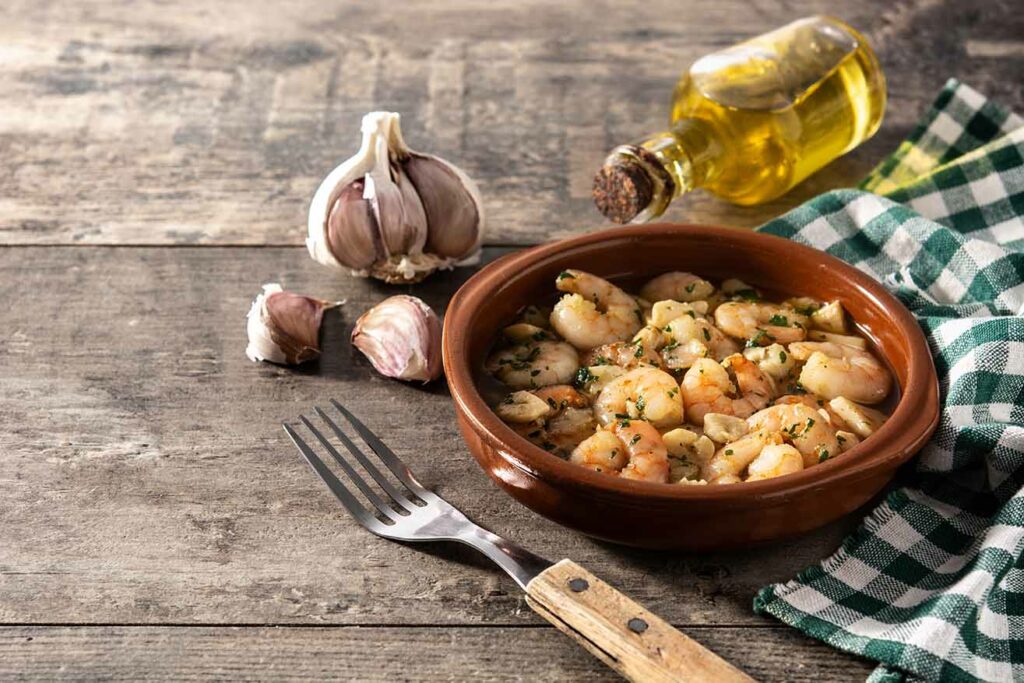
A low-FODMAP diet is highly individual. The phrase “I follow a low-FODMAP diet” may not mean very much to restaurant staff, so travelers should provide a written list of the specific foods they cannot eat.
The principal challenges in Spain are garlic and onion, which form the base of many:
- Sauces
- Stews
- Soups
- Rice dishes
- Marinades
- Sofritos
- Delicious things whose recipes begin with “First, add garlic and onion”
Safer choices may include simply prepared meat, fish, eggs, rice, potatoes, salads, and personally tolerated vegetables.
Useful phrases include:
- Sin ajo ni cebolla, por favor: Without garlic or onion, please.
- Sin salsa ni adobo: Without sauce or marinade.
- Solo a la plancha, con aceite y sal: Simply grilled, with oil and salt.
- ¿Está preparado con sofrito?: Is it prepared with sofrito?
Travelers should follow their personalized medical or dietetic guidance because low-FODMAP tolerances vary considerably.
Our team can send the traveler’s exact list to restaurants and request simple preparations. “No garlic or onion” is much easier for a kitchen to understand than a fifteen-minute lecture on fermentable carbohydrates.
Keto and Low-Carbohydrate Dining
Spain offers many foods that can work well with a ketogenic or low-carbohydrate diet:
- Grilled meat and fish
- Eggs
- Jamón ibérico
- Cured meats
- Cheese
- Olives
- Seafood
- Salads
- Grilled vegetables
- Olive oil
Hidden carbohydrates may appear in:
- Sauces
- Glazes
- Breading
- Croquettes
- Meatballs
- Marinades
- The bread basket that appears before you have had time to object
A helpful phrase is:
“Sin pan, patatas, arroz ni salsa, por favor.”
This means:
“Without bread, potatoes, rice or sauce, please.”
Our travel designers can suggest appropriate restaurants, although travelers following keto for medical purposes should manage their requirements with their healthcare professional and should not expect a restaurant to calculate precise carbohydrate quantities.
The travel hack: Order dishes a la plancha with salad or vegetables and request sauces separately.
Food Tours and Wine Tastings

A cooking class cannot always become gluten-free because one participant mentions it while everyone else is already throwing flour into the air.
Tapas tours, cooking classes, market experiences and winery lunches may involve:
- Fixed menus
- Shared surfaces
- Shared utensils
- Several different suppliers
- Bread, cheese, nuts and cured meats
- Sauces prepared in advance
- Wine or alcohol used in cooking
Guided Spain Tours can discuss the restrictions with the supplier before confirming the experience. When a particular activity cannot safely accommodate the traveler, we can look for a suitable alternative rather than hoping for the best.
For severe allergies, “we have an alternative” is only the beginning. We will also ask how and where that alternative is prepared.
Choose Accommodation That Makes Eating Easier
For complex diets, the right hotel or apartment can be as important as the right restaurant.
Useful features include:
- A minibar or refrigerator
- A microwave
- A kitchenette
- A nearby supermarket
- Breakfast staff who understand the restriction
- A hotel willing to store suitable products
- Enough space to prepare or keep emergency food
Our travel designers can consider these requirements when recommending accommodation. A charming medieval hotel is wonderful, but slightly less wonderful if the traveler has nowhere to refrigerate essential food.
Use Spanish Supermarkets as a Safety Net
Spanish supermarkets generally offer good selections of gluten-free, vegan, vegetarian, and lactose-free products.
Useful terms include:
- Sin gluten: Gluten-free
- Sin lactosa: Lactose-free
- Vegano: Vegan
- Vegetariano: Vegetarian
- Puede contener trazas de…: May contain traces of…
- Frutos secos: Tree nuts
- Cacahuetes: Peanuts
- Leche: Milk
- Huevo: Egg
- Soja: Soy
- Sésamo: Sesame
Spain follows European allergen-labeling rules, which cover 14 specified allergens. These categories differ from those used in the United States, so travelers should still read the full ingredient list.
Our booking team can identify supermarkets near the accommodation or along a travel route. This is especially useful before long driving days, rural excursions and early departures.
Pack an Emergency Food Kit
Even the best itinerary cannot prevent every delayed train, canceled flight, closed restaurant or unexpectedly bread-centered breakfast.
Travelers should carry a small supply of suitable food:
- Verified crackers or bread
- Safe snack or protein bars
- Nut-free snacks when required
- Shelf-stable meals
- Electrolytes
- Specialty products that may be difficult to replace
Keep essential food and medication in hand luggage, not checked baggage.
Travelers with severe allergies should carry their prescribed emergency medication and make sure their companions know where it is and how to use it. Guided Spain Tours can help plan food stops, but the emergency medication should always travel with the person—not in a suitcase enjoying a separate holiday at the airport.
Plan More Carefully in Rural Spain
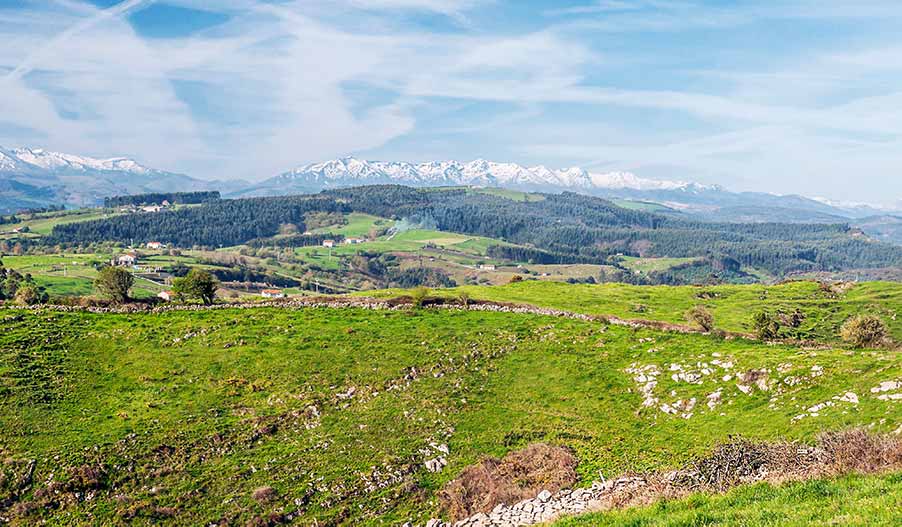
Larger cities usually provide more specialized restaurants and supermarkets. Options can become limited in villages, rural hotels, and during long private driving days.
For countryside itineraries, our team can:
- Inform hotels and restaurants several days in advance
- Arrange suitable picnic lunches where possible
- Identify supermarkets along the route
- Check whether rural accommodations can prepare an appropriate meal
- Recommend self-catering accommodation when necessary
- Build backup dining options into the itinerary
- Avoid scheduling a remote eight-hour excursion with nothing but optimism for lunch
The more complex the diet, the more important it is to plan food alongside transportation and sightseeing.
Safety Comes Before Politeness
Spanish hospitality is warm, generous, and often accompanied by an enthusiastic desire to feed everyone. Nevertheless, travelers should never accept food when the ingredients or preparation cannot be confirmed.
If someone says, “I think it is safe,” but cannot explain how it was prepared, it is reasonable to order something else or leave.
Guided Spain Tours can research, communicate, reserve, and reconfirm dietary needs. We can make the experience much easier, but no travel company or restaurant can completely eliminate medical risk.
Travelers with serious allergies should:
- Follow their healthcare professional’s advice
- Carry their prescribed medication
- Keep it accessible
- Bring a translated allergy card
- Ensure their companions understand the emergency plan
- Reconfirm the restriction when arriving at every restaurant
Spain’s general emergency number is 112.
Final Thoughts
Tell your Guided Spain Tours travel designer everything from the beginning. We cannot remove every trace of garlic from Spain, but we can design a trip with appropriate restaurants, prepared suppliers, sensible backup plans, and far fewer surprises on the plate.
Traveling with dietary restrictions may require more planning, but it should not mean missing the pleasure of Spanish food. With the right preparation, travelers can spend less time worrying about the menu and more time enjoying where they are, who they are with, and whether it is socially acceptable to order another plate of safe tapas.
In Spain, the answer to that last question is almost always yes.