Choosing accommodation in Spain sounds simple enough. You need somewhere comfortable, well located, and within budget.
Then you start looking.
One hotel has five stars but sits well outside the center. Another is inside a beautiful historic building but has limited elevator access. An apartment looks perfect for a family, until you discover there is nowhere to leave your luggage before check-in.
The best accommodation is not necessarily the most expensive or the most central. It is the one that works with your itinerary and the way you want to travel.
At Guided Spain Tours, our travel designers look beyond the photographs and ratings to consider location, access, room setup, and how each property fits into the wider trip.
1. You Don’t Need Five Stars Everywhere
Luxury hotels can be worth the money, particularly when you are staying for several nights, celebrating something special or planning time to enjoy the property itself.
But there is little point in paying for a spa, rooftop pool and elaborate breakfast if you arrive in the evening and leave the following morning again.
A comfortable 3 or 4-star hotel in a good location can sometimes be the better choice. You might choose a luxury hotel for three nights in San Sebastián, for example, but something simpler for a one-night stop between destinations.
The travel hack: Spend more where the hotel is part of the experience. Keep things practical when you mainly need somewhere comfortable to sleep.
2. Check the Location and Access
Being beside the cathedral or main square sounds ideal, but the most central location is not always the most convenient.
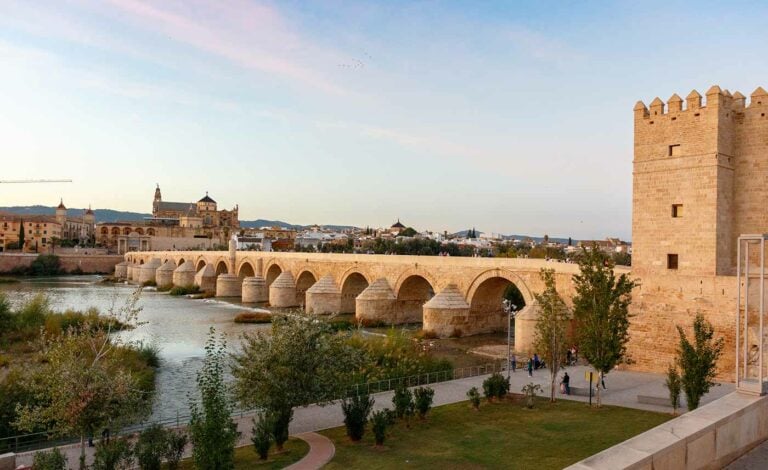
Historic centers in places such as Seville, Granada, Córdoba and Toledo have pedestrian streets, narrow lanes and areas where vehicles cannot stop directly outside the hotel. A property five or ten minutes away may offer easier pickups, quieter rooms, and better value.
This matters especially if you have large suitcases, young children, or limited mobility.
Historic hotels also need a little extra checking. Spain has wonderful properties inside former palaces, convents, and centuries-old townhouses, but older buildings can have steps, uneven floors, and elevators that don’t reach every level.
If step-free access matters, don’t simply ask whether there is an elevator. Find out whether you can get from the street to your room without using stairs.
The travel hack: Central, historic, and convenient don’t always mean the same thing.
3. Hotel, Apartment or Villa?
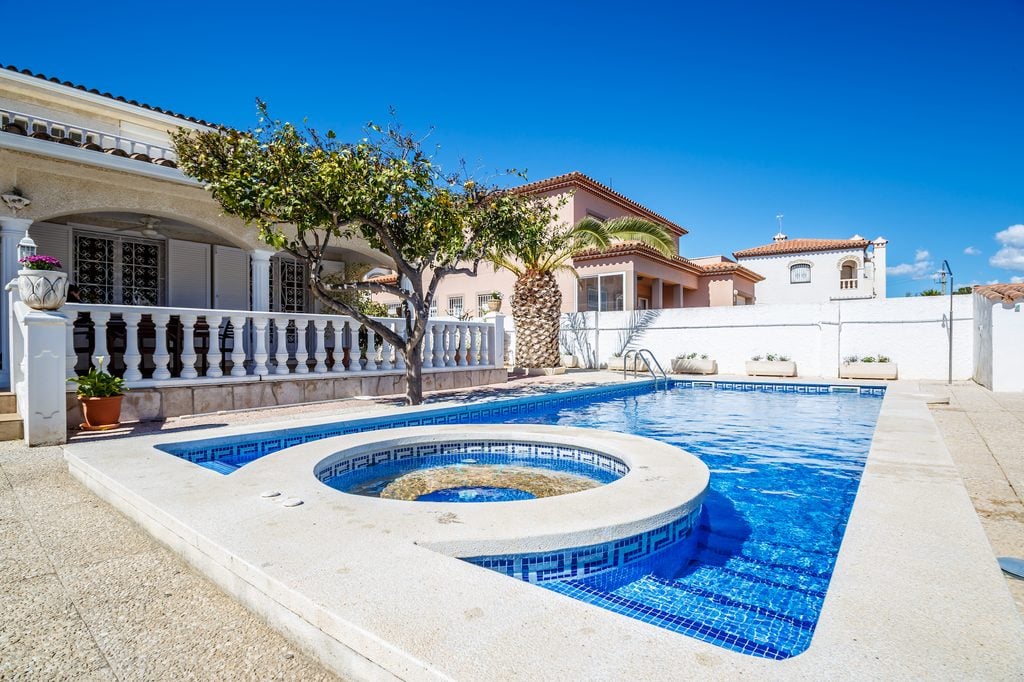
Each works well for a different type of trip.
Hotels are usually easiest when you are moving regularly between cities. You have reception, housekeeping, luggage storage, and someone available if plans change.
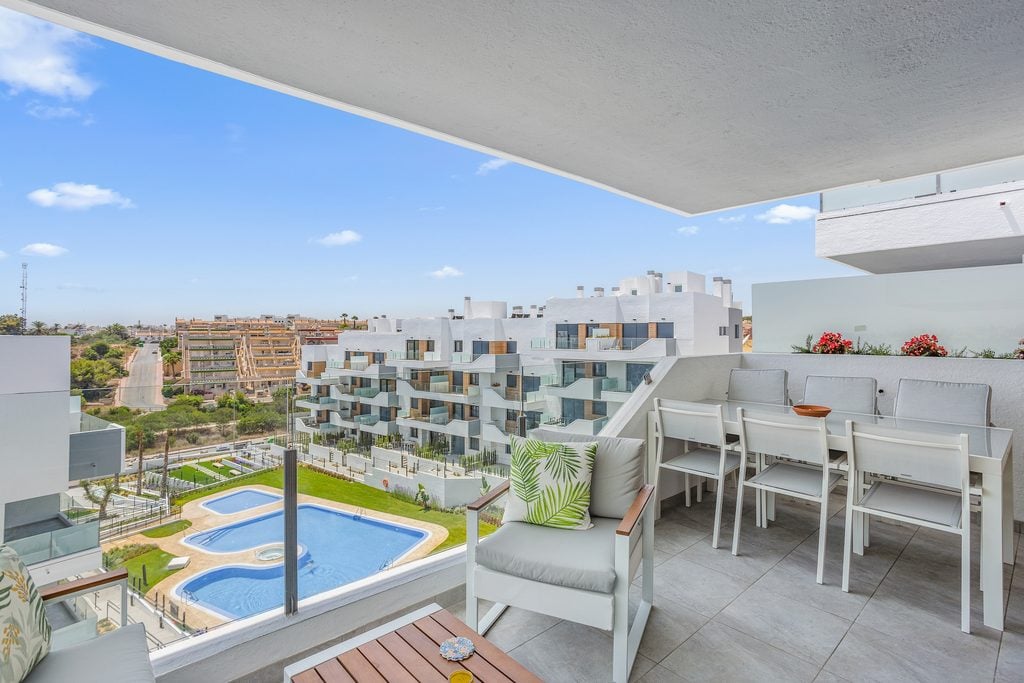
Apartments can work particularly well for families and longer stays. Separate bedrooms, kitchens, washing machines and more living space can make a big difference when you are staying several nights in Madrid, Barcelona, Valencia, Málaga or Seville.
Just check the location carefully. A beautiful apartment in Granada’s Albaicín may also involve hills, steps and restricted vehicle access.
Villas make more sense for slower parts of the trip. If you are spending several days on the Costa del Sol, Mallorca, or the Costa Brava, a pool and outdoor space can be part of the holiday. A remote villa is less useful if you then spend every morning driving an hour to begin your sightseeing.
The travel hack: Choose accommodation based on how you will actually spend your time there.
4. Check-In, Check-Out and Luggage Storage

Hotels and apartments can work very differently when you arrive.
A hotel will usually have reception and somewhere to leave your luggage. An apartment may rely on self-check-in, which could mean an access code, meeting someone at a set time, or collecting keys from another location.
There may also be nowhere to leave your bags if you arrive before check-in.
The same issue comes up when you leave. Hotels can normally store luggage after check-out, while apartments may have stricter arrangements.
If your overnight flight arrives early in the morning, don’t assume your room will be ready. The only reliable way to guarantee access first thing is usually to reserve the previous night and tell the hotel that you will be arriving the following morning.
Before booking an apartment, find out how you get the keys, where you can leave luggage, and who you contact if something goes wrong.
The travel hack: Plan around the property’s actual check-in and check-out arrangements, not just your flight times.
5. Check the Details That Actually Affect Comfort
Hotel listings can hide a surprising amount behind a few simple words.
Air conditioning is a good example. During summer, particularly in Andalusia and inland Spain, check whether every bedroom has air conditioning and whether guests can control it themselves. One unit in an apartment living room may not do much for the bedrooms.
Bed configuration is another detail worth confirming. A “double room” does not necessarily mean one large double bed. Families should also check connecting rooms, sofa beds,s and whether a second bedroom is actually a separate bedroom.
If a pool matters, check that it will be open during your stay and whether children can use it. A small rooftop plunge pool and a villa swimming pool are very different things.
These aren’t exciting questions, but they can have a big impact on the stay.
6. Think About Breakfast Before Paying for It

Hotel breakfast is convenient, especially if you have an early tour, children to organize, or few cafés nearby.
But you don’t necessarily need it every day.
In many Spanish cities, breakfast at a neighborhood café is easy and often cheaper. Coffee, toast with tomato and olive oil, fresh orange juice, pastries, and tortilla are widely available.
Check your itinerary before adding breakfast every night. If your guide is meeting you early, hotel breakfast may be the easiest option. If you have a relaxed morning in a city full of cafés, eating locally can be more enjoyable.
Also check when breakfast starts. A great buffet is not much use if your driver is collecting you before the dining room opens.
The travel hack: Pay for breakfast when it makes your morning easier, not simply because the hotel offers it.
7. Be Flexible With Your Accommodation Budget
You don’t need to use the same hotel category throughout Spain.
A trip might begin with a reliable four-star hotel in Madrid, include a simpler property for a short overnight stop, move to a historic boutique hotel in Seville and finish with a few nights somewhere more luxurious.
Hotel points can also be useful. Hilton, IHG, Marriott, and other loyalty programs can reduce the cost of a trip without sacrificing comfort, provided the property is in the right place.
A free room well outside the center is less attractive if you then spend extra time and money getting back and forth every day.
Think about the trip as a whole and spend more on the stays where you will actually notice the difference.
8. Match the Accommodation to Your Itinerary
A great hotel can still be the wrong hotel.
If every day begins with a private driver, easy vehicle access may matter more than being right inside a pedestrianized historic center. If you have several free evenings, being able to walk to restaurants matters more.
If you are sightseeing from morning until evening, you may barely use the hotel’s spa or pool. If you have several slower days between busy cities, those facilities could be exactly what you want.
Before choosing the property, look at your daily plans, transportation, free time, and how long you are staying.
An expensive hotel that doesn’t suit the itinerary can quickly become little more than a very nice place to store your luggage.
9. Tell Your Travel Designer What Actually Matters
One advantage of planning a private tour is that local tour planners can organize your accommodation alongside the rest of your itinerary. This means your hotels, apartments, or villas can be chosen with your route, transportation, and daily plans in mind, rather than treated as separate bookings.
That still means telling your travel designer what matters to you. “Nice hotel” means something different to everyone.
For one traveler, it means five-star service and a spa. For another, it means a quiet room, a comfortable bed, and a good shower. A family may care more about separate bedrooms and laundry facilities than a concierge.
Tell your Guided Spain Tours travel designer about your preferred hotel category, approximate budget, room requirements, mobility needs, and whether you want to use loyalty points.
It is also worth mentioning the smaller things that can make a big difference, such as breakfast, a pool, direct vehicle access, early check-in, air conditioning or particularly quiet rooms.
The more specific you are about what matters, the easier it is to find accommodation that works with the rest of your trip.
The Final Accommodation Hack
No single type of accommodation is perfect for a trip through Spain.
A five-star hotel can be worth every penny in one city and unnecessary in the next. An apartment can make family travel much easier, while a villa only really works if you have enough time to enjoy it. Even a fantastic hotel can be the wrong choice if the location adds unnecessary travel to your day.
The important thing is to look beyond the photographs and star rating. Think about where you need to be, how you will get there, how much time you will actually spend at the property, and what will make your stay comfortable.
Get those things right, and the accommodation simply does its job: it makes the rest of the trip easier.